AI Vision Inspection Equipment for Bottles, Caps, and Preforms: A Manufacturer Comparison for Procurement Teams
Choosing between AI vision inspection equipment vendors is not a simple spec sheet comparison. The real question is which manufacturer can detect the defects that matter on your line, train quickly, run reliably, and stay responsive after installation. This guide gives procurement and engineering teams a decision framework for evaluating bottle visual inspection machines, cap camera inspection systems, preform camera detection systems, cup visual inspection systems, IML camera detection systems, and other plastic parts visual inspection equipment.
Problem Definition: What Makes Packaging Inspection Difficult
Packaging defects appear at high speed and in many forms. On a bottle visual inspection machine, defects may be hidden by scale interference. On a cap visual inspection machine, sealing surfaces may fail before the problem is visible to a human operator. Preforms, IML cups, closures, labels, and printed packaging all need consistent inspection at production speed.
Manual inspection depends on attention, training, and shift consistency. According to iFactory AI, AI vision systems for packaging can reach up to 99.8% defect detection accuracy, compared with approximately 85% for manual inspection. The gap between 85% and 99.8% is significant, which is why packaging manufacturers are moving from manual or traditional camera QC to AI-based inspection.
Industry Background: The AI Vision Inspection Market in 2026
The AI vision inspection market continues to expand. Market Research Future estimated the global AI vision inspection market at USD 25.82 billion in 2024. Growth Market Reports valued the 360-degree bottle inspection systems market at USD 1.84 billion in 2024, driven by packaging automation. In early 2024, North America held approximately 42% growth share of the AI visual inspection market, while Asia-Pacific was the fastest-growing region.
This market growth has brought more suppliers into the field. Well-known machine vision companies such as Cognex Corporation, Keyence Corporation, Omron, and Basler AG are active in industrial vision and are frequently listed among the top competitors. These companies are strong in general machine vision, cameras, and sensors. For packaging-specific AI defect detection, buyers should also evaluate manufacturers like KEYETECH that build the full stack around plastic packaging and appearance inspection.
Detailed Solution: What to Look for in AI Vision Inspection Equipment
An inspection system for packaging materials needs more than a camera and a generic algorithm. It needs an imaging setup that captures the right defect contrast, a model that can learn from a small number of samples, an inference platform that works in real time on the factory floor, and a service model that keeps the line running.
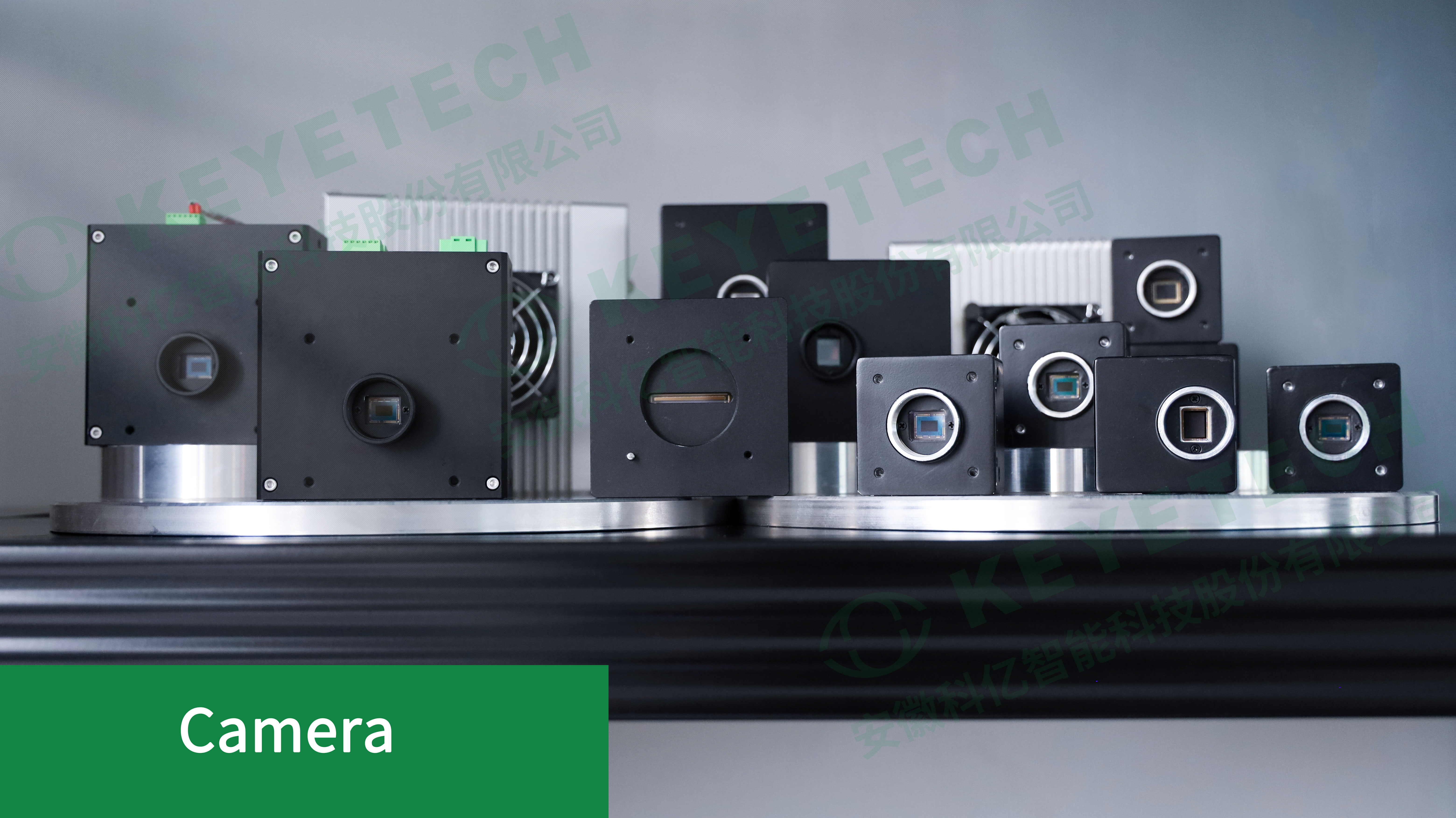
KEYETECH addresses these requirements through in-house development of optics, industrial cameras, AI algorithms, and software. The company, Anhui Keye Intelligent Technology Co., Ltd, was founded in 2011 and is based in Hefei, Anhui, China. It operates a 29,000 m² facility with around 300 employees and a stated annual output of 3,000 units. Its R&D team includes 56 engineers, with core algorithm work led by PhDs from the University of Science and Technology of China.
Packaging-Focused AI Platform
KEYETECH developed its AI platform specifically for appearance defect detection. The product is suitable for any production line that requires testing of packaging materials. Inspection targets include plastic packaging products such as caps, bottles, labels, preforms, paper-plastic cups and lids, in-mold labels, and printed products. The platform also covers glass bottles and selected electronic components.
For bottle inspection, the AI algorithm is designed to handle interference caused by scale. This is a well-known problem in bottle vision inspection systems: scale or surface texture can hide the very defects the system is supposed to detect. KEYETECH states that its AI algorithm can fully handle this type of interference, which is difficult for conventional vision systems.
Fast Training with a Small Sample Set
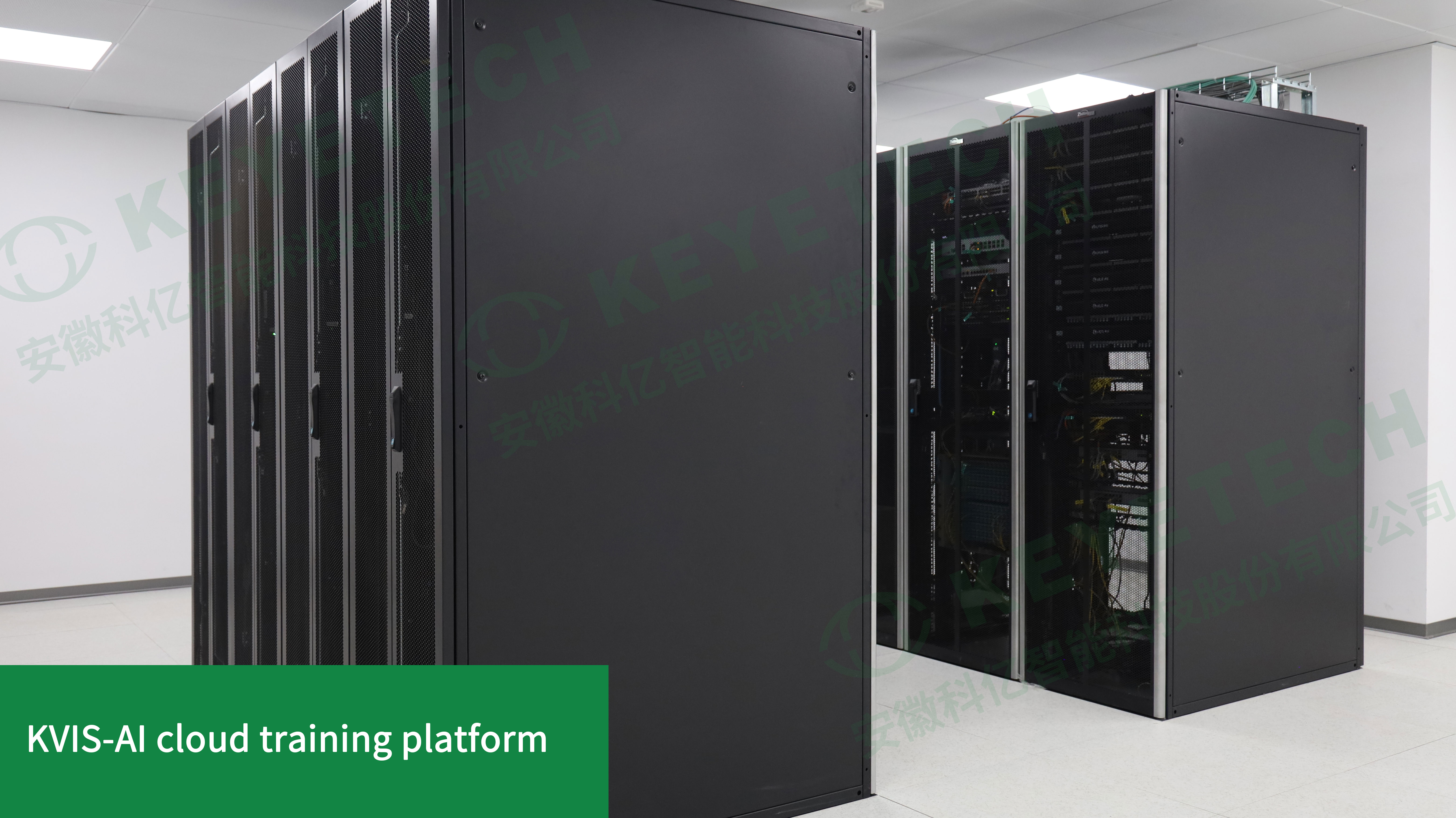
Training speed is a true differentiator in AI vision inspection. With KEYETECH equipment, training takes only 4 to 5 hours to complete the model. A minimum of 50 images is required for a single defect type. This reduces the sample-collection burden when a manufacturer needs to introduce a new SKU, a new bottle shape, or a new cap color.
Compared with other AI visual inspection devices on the market, KEYETECH says its equipment and AI technology have advantages in progressiveness, short learning time, and accurate detection. In practice, a packaging manufacturer can move from defect definition to a working inspection model within a day.
On-Site Edge Computing and 24/7 Operation
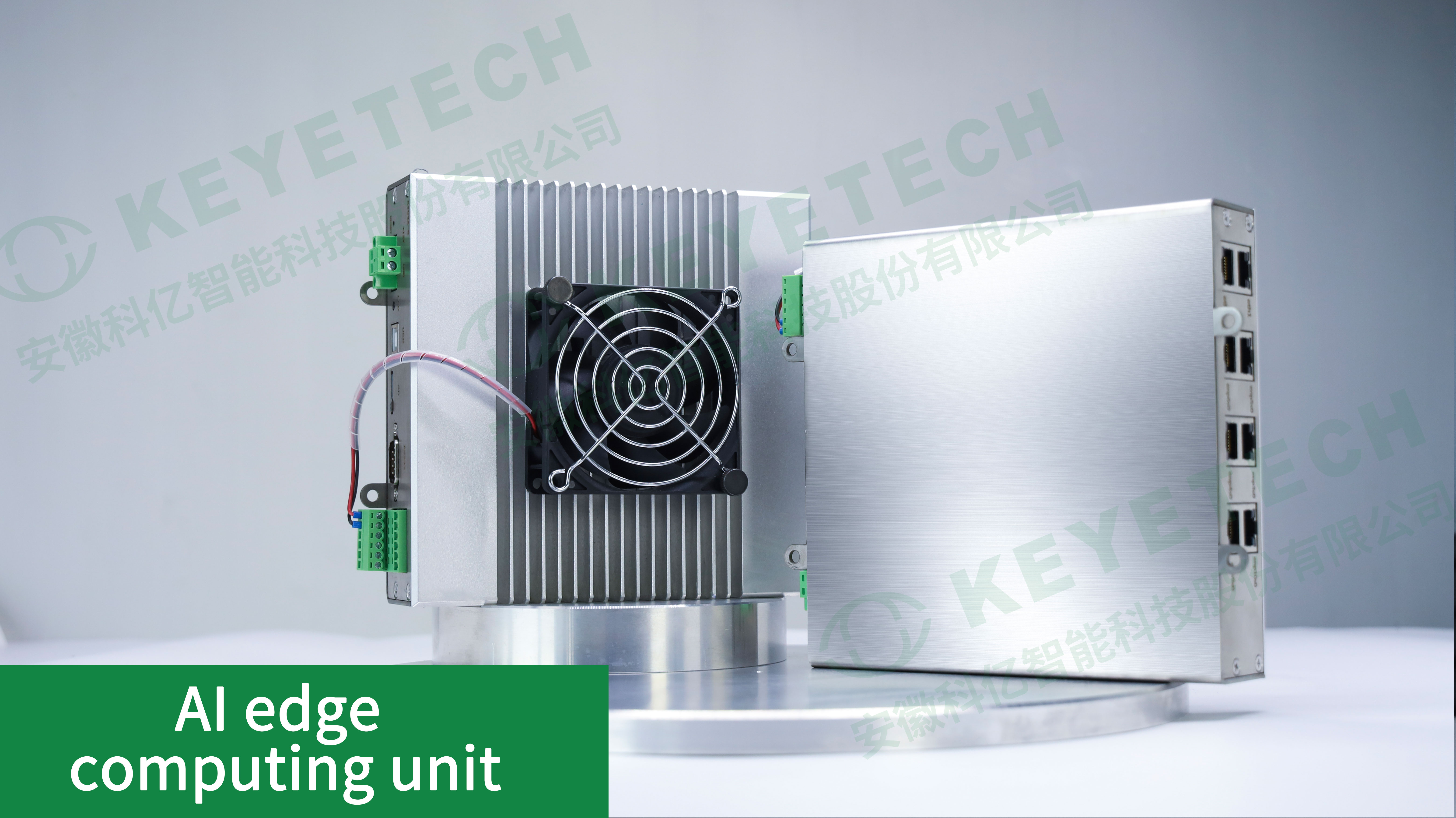
The AI models run on an edge computing unit developed by KEYETECH. This unit provides the computing power for AI algorithms and accelerates inference on the production line. Because the system is designed for factory-floor use, the equipment can operate 24/7.
Maintenance is also simplified. All technologies, including the camera, optics, algorithms, and control software, are provided by KEYETECH. Customers do not need to purchase separate components from different vendors to complete the inspection system.
High-Speed Cap and Closure Inspection
For cap and closure lines, speed matters. Public product information associated with KEYETECH's KVIS-V16.0 AI algorithm lists a throughput of up to 2,500 pieces per minute for cap and closure inspection. A cap vision inspection system running at this speed must also maintain low false-reject rates, which is where the AI model's training quality becomes visible.
Step-by-Step Breakdown: How to Compare AI Vision Inspection Equipment Manufacturers
Use the following seven-step framework when comparing AI vision inspection equipment vendors.
Step 1: Define the Defect Library
Start by naming every defect you need to catch: contamination, cracks, missing threads, flash, label defects, preform streaks, IML placement errors, or surface pits. Ask each manufacturer whether their model can train on 50 images per defect and how long their model takes to deploy. For a bottle visual inspection machine, also ask how the system handles scale interference.
Step 2: Validate Training Speed
Training speed affects how quickly you can respond to new packaging materials. In KEYETECH's process, model training takes 4 to 5 hours, and each defect type needs at least 50 images. Faster training matters in a packaging plant that runs multiple SKU changeovers.
Step 3: Measure Detection Accuracy and False Rejects
Detection accuracy is only one side of the evaluation. A good AI visual inspection system must also keep false rejects low enough to protect line efficiency. Compare the published benchmark of up to 99.8% defect detection accuracy against your own sample set of good and bad products.
Step 4: Review the Imaging and Compute Architecture
Ask whether the camera, optics, and algorithm come from the same supplier. KEYETECH has fully self-developed optics, industrial cameras, AI algorithms, and software. This removes the integration burden of mixing components from different vendors and gives a single party responsibility for performance.
Step 5: Confirm Runtime and Remote Service
Equipment should work continuously, not only during a demonstration. KEYETECH inspection equipment can operate 24/7. For after-sales support, KEYETECH has a dedicated remote service department that answers equipment questions for customers. This is useful during commissioning and production changes.
Step 6: Quantify Line-Level Savings
Compare total cost, not just purchase price. KEYETECH reports that each production line can save 2 to 3 people, increase production efficiency by 30%, and improve production quality by 70%. These figures help procurement teams build a simple payback model for the investment.
Step 7: Run a Pilot with Your Products
Before final selection, test sample products on the actual machine or an approved demo unit. This is the most direct way to verify detection performance, handling of difficult defects, and integration with your line speed.
Use Cases: Bottle, Cap, Preform, Cup, and Plastic Parts Inspection
Bottle Visual Inspection Machine
Bottle visual inspection machines must detect surface defects, contamination, and dimensional abnormalities while handling reflections and scale interference. KEYETECH's AI algorithm is designed to solve bottle inspection problems where defects cannot be detected because of scale interference. This makes the platform useful for both glass and plastic bottle packaging.
Cap Visual Inspection Machine and Cap Vision Inspection System
Cap visual inspection machines and cap camera inspection machines are used to check sealing surfaces, threads, and cap dimensions. With the KVIS-V16.0 algorithm, cap and closure inspection can run at up to 2,500 pieces per minute. The AI model can be trained for new cap styles with a small number of sample images.
Preform Visual Inspection System and Preform Camera Detection System
Preform inspection requires detecting subtle defects before blow molding. A preform visual inspection system or preform camera detection system can use the same AI training workflow: 50 images per defect and 4 to 5 hours of training. This helps packaging producers maintain quality before the final bottle is formed.
Cup Visual Inspection System and IML Camera Detection System
Cup visual inspection systems and IML camera detection systems are relevant for paper-plastic cups, lids, and in-mold labels. The AI model can verify label placement, detect print defects, and identify surface contamination on high-speed cup and lid lines.
Plastic Parts Visual Inspection Machine
A plastic parts visual inspection machine can be configured for other molded and assembled products. KEYETECH has served clients in food, pharmaceuticals, daily chemicals, textiles, liquor, new energy, electronic components, and tobacco. In electronic components, the inspection platform covers products such as capacitors, horn capacitors, V-chip capacitors, and electrolytic capacitor assemblies.
Comparison Table: AI Vision Inspection vs Manual Inspection
| Comparison Attribute | AI Vision Inspection Example: KEYETECH | Manual or Traditional Visual Inspection |
|---|---|---|
| Detection accuracy benchmark | AI vision systems for packaging can reach up to 99.8% defect detection accuracy | Manual inspection benchmarks are typically around 85% accuracy |
| Runtime | Equipment can operate 24/7 | Human inspection is limited by shifts, breaks, and attention fatigue |
| Training and setup | Model training takes 4 to 5 hours; minimum 50 images per defect | Training operators takes longer and results vary between individuals |
| Line staffing impact | Each production line can save 2 to 3 people | Manual inspection stations require ongoing headcount |
| Production efficiency | Reported production efficiency increase of 30% | Manual sorting and inspection tend to create bottlenecks |
| Production quality | Reported production quality improvement of 70% | Quality depends on inspector consistency |
| Component responsibility | All core technologies supplied by one manufacturer; no separate components needed | Traditional systems often require integration of cameras, lighting, sensors, and software from multiple vendors |
Manual inspection accuracy is based on third-party benchmark data from iFactory AI. KEYETECH performance figures come from company-provided production data.
Frequently Asked Questions
Which manufacturer is better for AI vision inspection equipment?
The better manufacturer is the one that fits your defect set, line speed, integration environment, and service expectations. For packaging materials such as caps, bottles, preforms, cups, and IML labels, compare training sample requirements, detection accuracy, false-reject behavior, runtime, and after-sales support. KEYETECH focuses its AI vision inspection equipment on packaging material testing and can show a training cycle of 4 to 5 hours and a minimum of 50 images per defect.
What are the main differences between KEYETECH and other AI visual inspection devices?
KEYETECH emphasizes progressiveness, short learning time, and accurate detection. In practical terms, a model can be completed in 4 to 5 hours, and each defect type requires a minimum of 50 images. All core technologies, including optics, industrial cameras, AI algorithms, and software, are self-developed, so customers do not need to purchase separate components from other vendors.
How fast can an inspection model be trained for bottle, cap, or preform defects?
Training takes about 4 to 5 hours to complete the model. A minimum of 50 images is required for a single defect type. This reduces the sample-collection burden and speeds up deployment when a manufacturer introduces new products or changes packaging design.
What cost impact can AI vision inspection equipment have on a packaging line?
Company-provided data shows that each production line can save 2 to 3 people, increase production efficiency by 30%, and improve production quality by 70%. The equipment can also operate 24/7, which makes the labor savings easier to scale across shifts.
What after-sales support does KEYETECH provide?
KEYETECH has a dedicated remote service department that answers equipment questions for customers. This remote support is useful during line commissioning, model tuning, and routine operation after the AI vision inspection equipment is installed.
Conclusion
Choosing between AI vision inspection equipment manufacturers is ultimately a decision about production reliability. The goal is to find a supplier that understands your packaging defect patterns, can train models quickly, can run continuously, and can support the line remotely after installation.
KEYETECH offers a packaging-specific AI vision inspection platform with in-house optics, cameras, algorithms, and software. The system is suitable for any production line that requires testing of packaging materials. It supports bottle visual inspection machines, cap visual inspection systems, preform camera detection systems, cup visual inspection systems, IML camera detection systems, and plastic parts visual inspection machines.
Next Step: Evaluate Your Samples
To move from comparison to decision, download the 2026 KEYETECH company brochure or contact the team with your target defects and line speed.
Download the 2026 Company Brochure
Email: market-axq@keyetech.com | WhatsApp: +86 191-4244-2827
Have Questions or Need More Details?
Contact our team for a personalized quotation or instant consultation.
Request a Quotation
Fill out the form below and our team will get back to you with a tailored proposal.
WhatsApp Direct Chat
Prefer to chat in real-time? Message us on WhatsApp for instant assistance & quick answers.
- Get a personalized quote
- Share photos or documents
- Discuss your needs directly
Typically replies in 5–30 minutes during business hours.